Description:
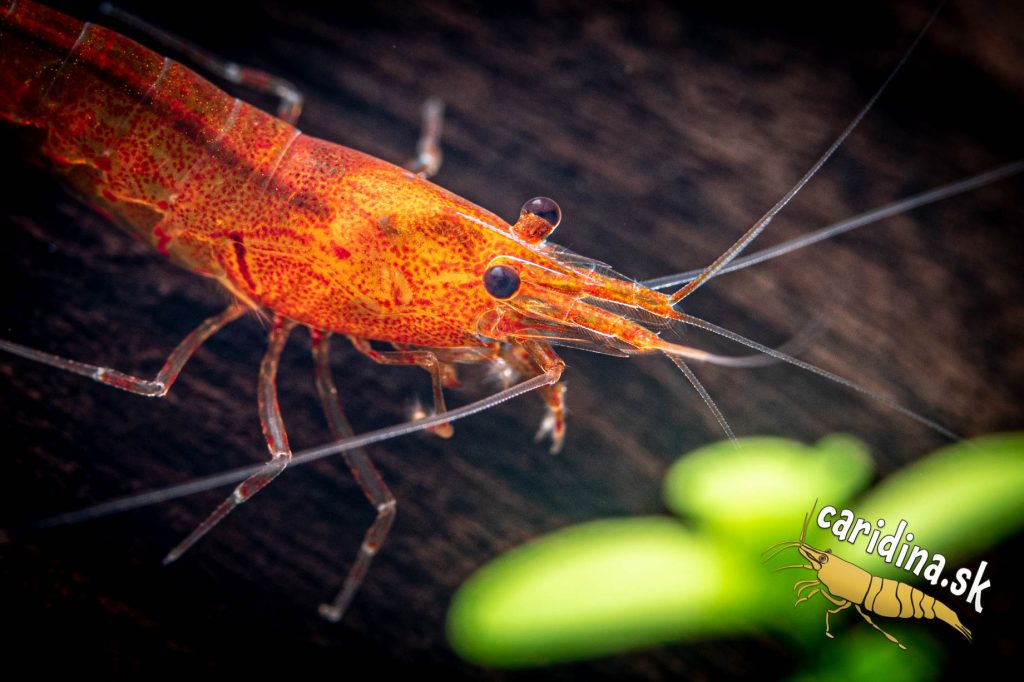
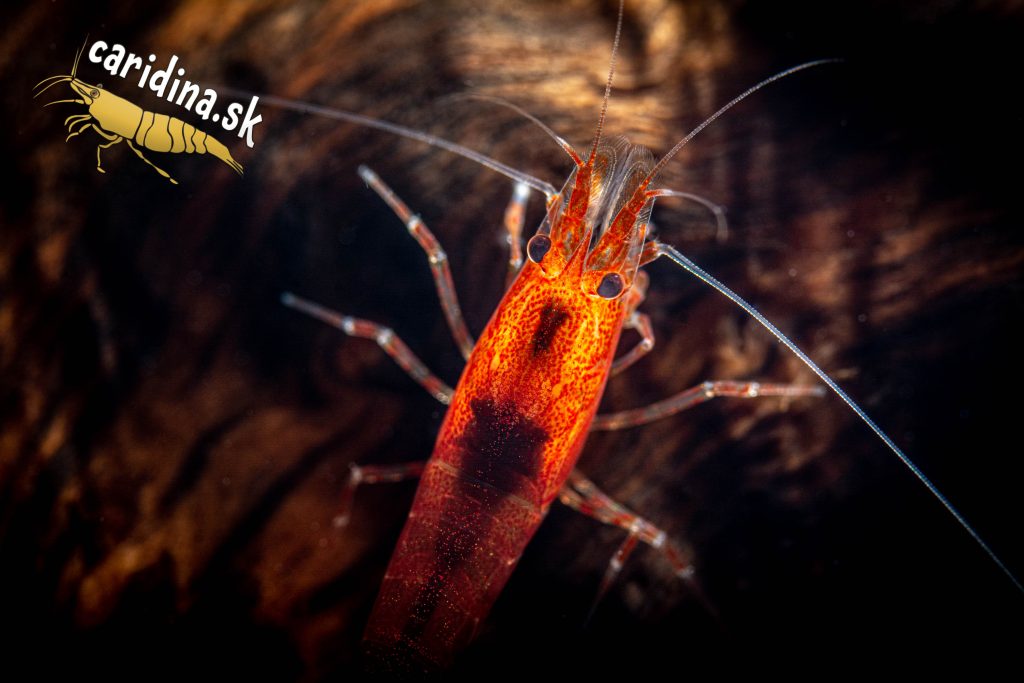
Caridina serrata var. “Bloodshot” is a variation of freshwater shrimp commonly kept in aquariums. Breeding these shrimp successfully requires attention to their habitat, water parameters, diet, and environmental conditions.
Tank Setup: Provide a well-established aquarium with plenty of hiding spots such as plants, moss, driftwood, and rocks. A densely planted tank with mosses and leaf litter mimics their natural habitat and provides ample hiding places for newborn shrimp.
Water Changes: Perform regular water changes to maintain optimal water quality. Use remineralized or RO (reverse osmosis) water to ensure stable parameters, especially if your tap water is unsuitable for Caridina shrimp.
Breeding Conditions: Ensure the presence of both male and female shrimp in the breeding tank. Caridina serrata var. “Bloodshot” are known to breed readily in freshwater aquariums with suitable conditions. Females will carry fertilized eggs under their abdomen until they hatch into miniature versions of the adults.
Selective Breeding: If you’re interested in enhancing specific traits in your shrimp population, you can selectively breed individuals with desirable characteristics such as coloration or patterns. However, be patient as breeding for specific traits can take time and multiple generations.
Minimize Stress: Minimize stress factors in the tank, such as sudden changes in water parameters, aggressive tankmates, or excessive disturbances. Stress can inhibit breeding behavior and affect the overall health of the shrimp.
Patience and Observation: Breeding shrimp can take time, so patience is key. Regularly observe your shrimp to monitor their behavior, molting frequency, and any signs of breeding activity.
Temperament:
Peaceful
Size:
2.5cm – 3.0cm
Water parameters:
Maintain stable water parameters within the preferred range for Caridina shrimp. These shrimp prefer slightly acidic to neutral water conditions with a pH range of 6.0 to 7.5. The temperature should be kept between 70°F to 78°F (21°C to 26°C). Ensure good water quality with minimal ammonia, nitrite, and nitrate levels.
Feedind:
Offer a varied diet rich in protein and minerals. Caridina serrata var. “Bloodshot” shrimp are omnivores and will consume algae, biofilm, detritus, and commercial shrimp food. Supplement their diet with blanched vegetables like spinach, zucchini, and algae wafers. Ensure a balanced diet to support their health and breeding.
Notes: