Description:
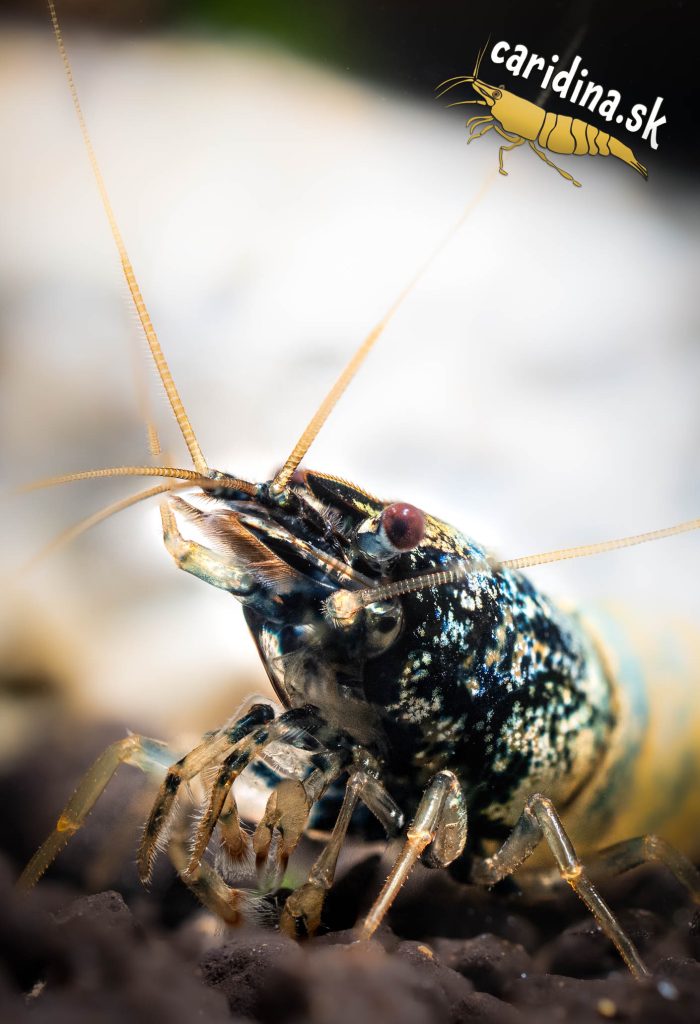
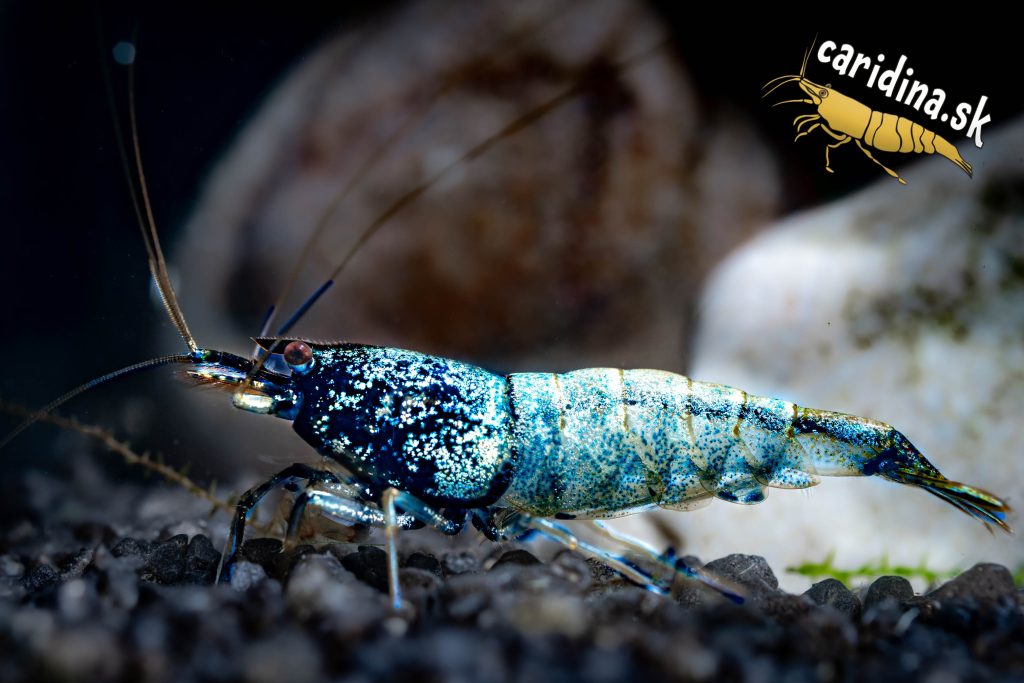
Caridina cantonensis var. Steel Blue, often referred to as “Steel Blue shrimp” are a variant of the Bee shrimp species. Breeding requirements for these shrimp are generally similar to other Caridina species, but specific attention to water parameters and habitat conditions is crucial for their successful breeding.
Tank Setup: Provide a well-established, matured aquarium with plenty of hiding spots and plants such as mosses, java ferns, and driftwood. Use soft, inert substrates like inert gravel or sand to mimic their natural habitat. Ensure the tank has a tight-fitting lid to prevent escape, as these shrimp are known to be excellent climbers.
Water Changes: Perform regular small water changes (around 10-20% of the tank volume) using remineralized RO (Reverse Osmosis) water to maintain stable water parameters.
Breeding Conditions: Once conditions are optimal, the shrimp should breed readily in the aquarium. Females will carry eggs under their abdomen until they hatch into miniature versions of the adults.
The presence of mosses, dense vegetation, and hiding places will provide suitable environments for both adult shrimp and baby shrimp (shrimplets).
Separating Young Shrimp: It’s advisable to separate adult shrimp from young shrimp to prevent predation. A separate tank or a breeding net can be used for this purpose until the young shrimp grow larger.
Temperament:
Peaceful
Size:
2.5 – 3.0 cm
Water parameters:
pH: Ideally, keep the pH slightly acidic, between 6.2 and 6.8.
Temperature: Maintain a stable temperature between 72°F and 78°F (22°C to 26°C).
GH (General Hardness) and KH (Carbonate Hardness): GH should be around 4-6 dGH, and KH should be low, preferably less than 2 dKH.
TDS (Total Dissolved Solids): Aim for a TDS reading between 100 to 200 ppm.
Ammonia, Nitrite, and Nitrate: Keep these parameters as close to zero as possible. Regular water changes and proper filtration are essential to maintain good water quality.
Ammonia, nitrite, and nitrate levels should be kept at zero or very low.
Feedind:
Offer a varied diet including high-quality shrimp pellets, algae wafers, blanched vegetables (such as zucchini or spinach), and occasionally small live foods like baby brine shrimp or daphnia.
Feed sparingly, only what the shrimp can consume within a few hours, to prevent overfeeding and water quality issues.
Notes:
Regular monitoring of water parameters, tank conditions, and the health of the shrimp is essential for successful breeding. With proper care and attention to detail, Caridina cantonensis var. Steel Blue shrimp can thrive and reproduce in a home aquarium.